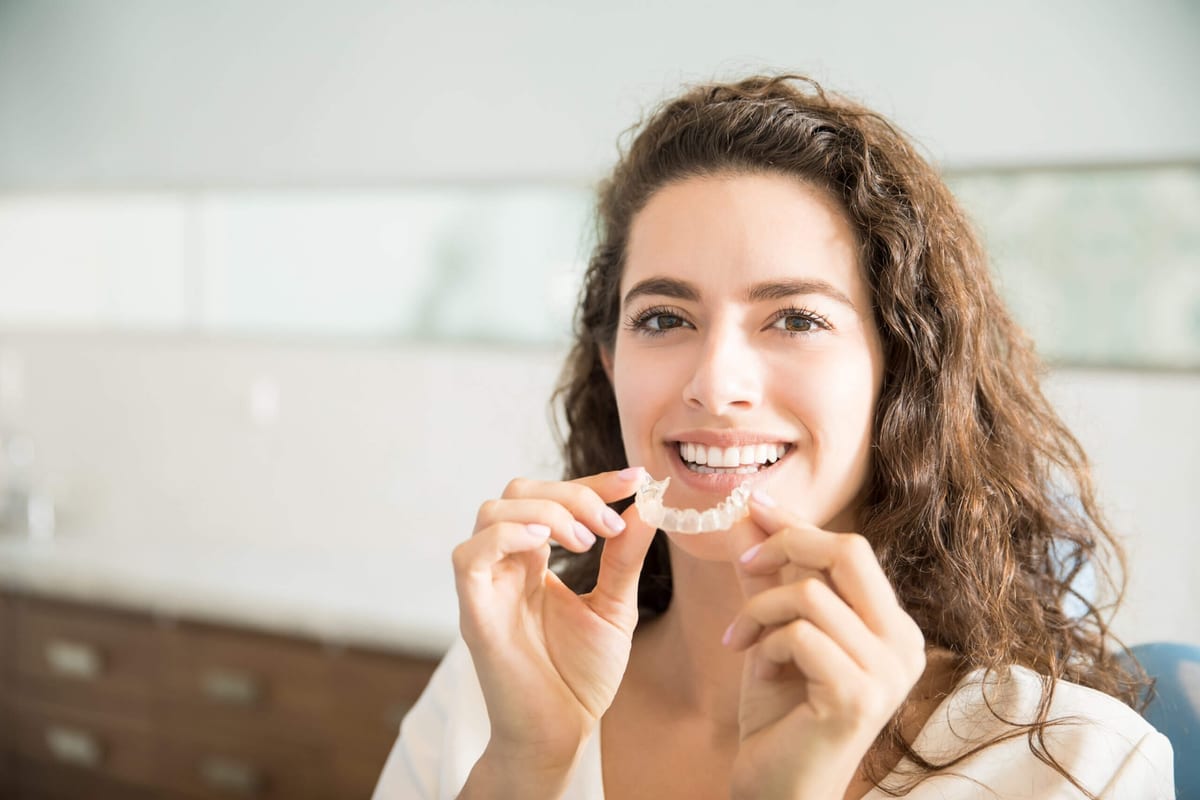
Many Grapevine patients ask the same question before their first orthodontic visit. Is your bite misaligned enough for Invisalign or traditional braces in Grapevine — and how would you even know? The answer depends on the type and severity of your bite issue. Understanding what each treatment can and cannot fix helps you make a confident, informed decision.
At Stellar Smiles Ortho, Dr. Peter J Theodorou takes time to evaluate every patient individually. No two bites are the same. This article breaks down the most common bite problems, what Invisalign handles well, and when traditional braces are the stronger choice.
What Does a Misaligned Bite Actually Mean?
A misaligned bite — called a malocclusion — happens when your upper and lower teeth do not fit together correctly. This is more common than most people realize. It can affect chewing, speaking, jaw comfort, and long-term tooth health.
There are several types of bite misalignment. Each one responds differently to orthodontic treatment. Knowing your specific issue is the first step toward choosing the right solution.
Common types of bite misalignment include:
- Crowding — Teeth overlap because there is not enough space in the jaw
- Spacing — Gaps exist between teeth due to missing teeth or small tooth size
- Overbite — Upper front teeth overlap too far over lower front teeth
- Underbite — Lower teeth sit in front of upper teeth when biting down
- Crossbite — Some upper teeth sit inside the lower teeth on one or both sides
- Open bite — Upper and lower front teeth do not touch when the mouth is closed
Each of these conditions has a range of severity. Mild cases often respond well to either treatment. Moderate to severe cases may require a more structured approach.
What Invisalign Can and Cannot Fix in Grapevine Patients
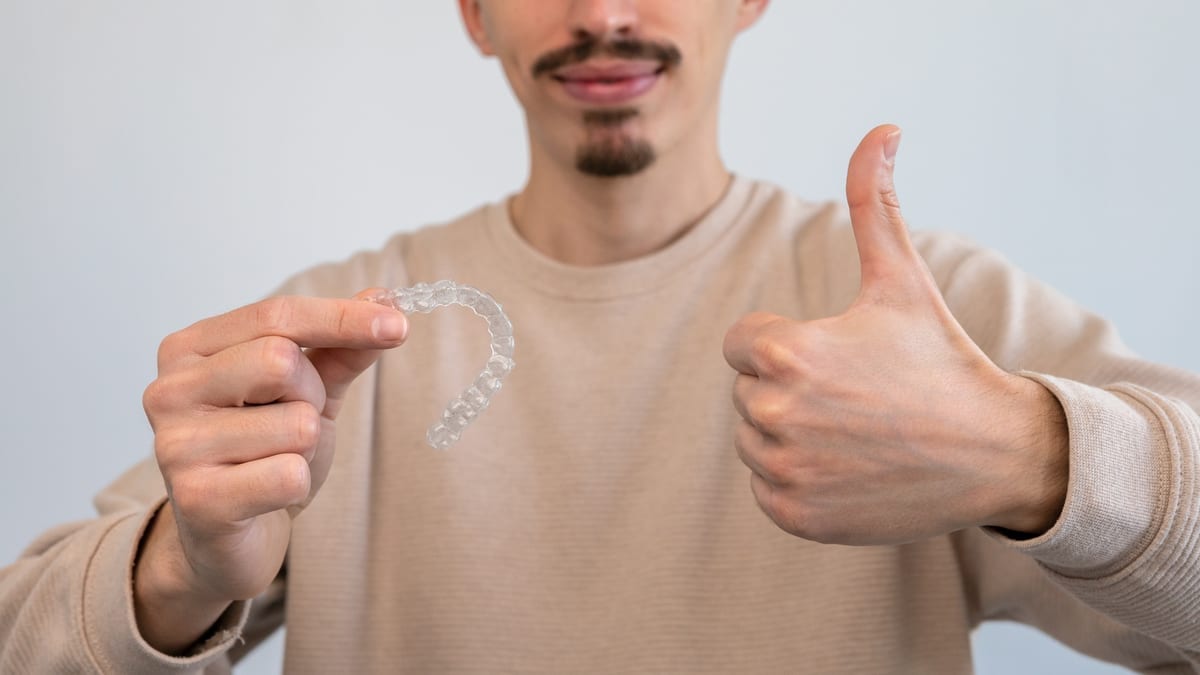
Invisalign uses a series of custom clear aligners to shift teeth gradually. It works exceptionally well for many common bite issues. However, it does have real limitations that every patient should understand before committing.
Invisalign tends to perform very well for:
- Mild to moderate crowding
- Mild to moderate spacing between teeth
- Minor overbites where the jaw relationship is mostly correct
- Slightly rotated teeth
- Relapse cases where teeth have shifted after previous treatment
Invisalign is not always the best option for complex cases. Severe crowding, significant underbites, and large overbites often require more precise force than aligners can provide. Open bites and certain crossbites can also be difficult to fully correct with clear aligners alone.
The good news is that Invisalign technology has advanced significantly. Cases that were once only treatable with braces can now sometimes be handled with aligners. Dr. Theodorou reviews your scans and bite records carefully before making any recommendation.
When Traditional Braces Work Better for Bite Correction
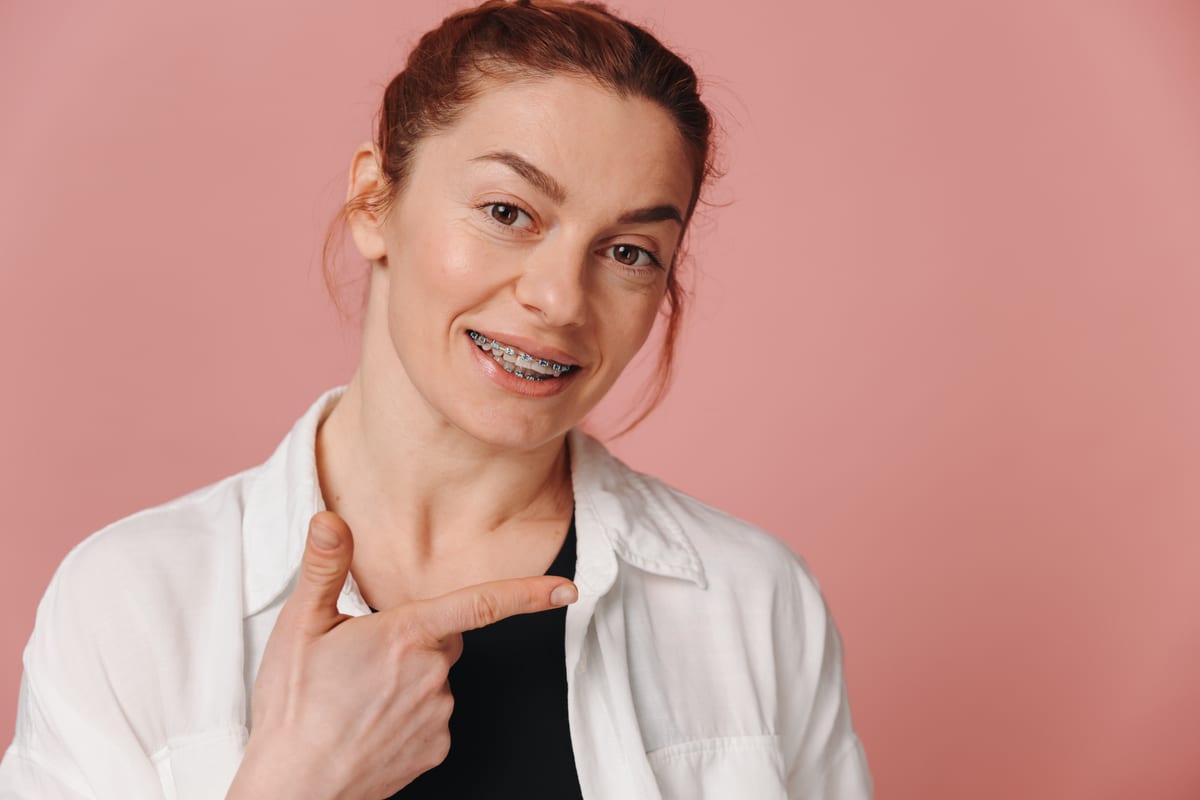
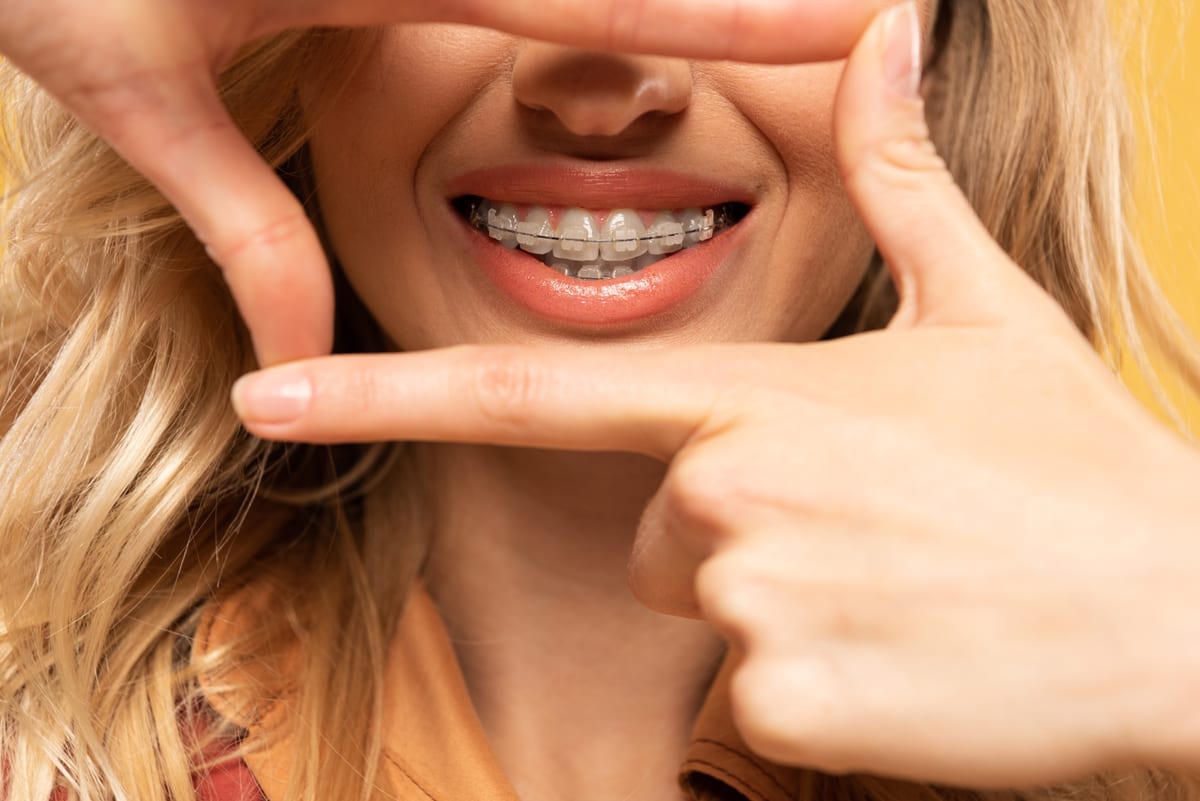
Traditional braces use brackets, wires, and bands to apply controlled, continuous force to the teeth and jaw. This makes them particularly effective for complex alignment issues. They do not rely on patient compliance the way removable aligners do.
Braces tend to be the preferred choice when:
- Crowding is severe and multiple teeth need significant movement
- Vertical bite problems like open bites need precise correction
- Underbites involve jaw positioning, not just tooth angle
- Rotation of certain teeth is too complex for aligners
- Younger patients need more predictable outcomes
Braces give Dr. Theodorou very fine control over tooth movement in three dimensions. That level of precision is sometimes essential for achieving a stable, healthy result. For patients in Grapevine dealing with more advanced bite problems, braces often deliver outcomes that aligners simply cannot match.
Understanding the full scope of your treatment is also important. Learning about Orthodontic Treatment Phases Grapevine helps you know what to expect from start to finish, whether you choose braces or Invisalign.
How Age and Development Affect Your Candidacy
Your age and jaw development play a significant role in which treatment is most appropriate. Adults and teens with fully erupted permanent teeth are generally good candidates for either option. Children with mixed dentition — baby and adult teeth together — may benefit from a different approach.
For younger patients showing early signs of bite problems, Dr. Theodorou may recommend early evaluation. Phase 1 Early Or Interceptive Treatment Grapevine can address developing jaw issues before they become more severe. Acting early can reduce the complexity and duration of later treatment.
Adults are excellent candidates for both braces and Invisalign. Bone density and jaw growth have stabilized, so treatment planning is very precise. The choice often comes down to the bite issue itself and personal lifestyle preferences.
Teens can use Invisalign Teen, which includes compliance indicators and extra aligners. However, certain bite issues in teens still respond better to traditional braces. Dr. Theodorou will guide your family toward the option most likely to succeed long term.
How Dr. Theodorou Evaluates Your Bite at Stellar Smiles Ortho
Every evaluation at Stellar Smiles Ortho begins with a thorough clinical exam. Dr. Theodorou takes digital X-rays and 3D scans to see your full bite picture. He examines the relationship between your teeth, jaw, and facial structure.
This detailed assessment allows for a highly personalized treatment recommendation. There is no one-size-fits-all answer to whether Invisalign or braces is right for you. The severity of your misalignment, your treatment goals, and your daily lifestyle all factor into the decision.
Grapevine patients can feel confident knowing they receive an expert, evidence-based evaluation. Dr. Theodorou will walk you through your options clearly and honestly. His goal is always to help you achieve a healthy, functional bite — not just a straighter smile.
Conclusion: Find Out If You Qualify for Invisalign or Braces in Grapevine
Determining whether your bite is misaligned enough for Invisalign or traditional braces in Grapevine starts with a professional consultation. Mild misalignment often responds beautifully to clear aligners. More complex bite problems may require the precision that only traditional braces can deliver.
Dr. Peter J Theodorou and the team at Stellar Smiles Ortho are here to help you navigate that decision with clarity and confidence. You deserve a treatment plan built around your unique bite — not a generic solution. Book Now to schedule your appointment with our team.
Frequently Asked Questions
How do I know if my bite is bad enough to need orthodontic treatment?
You do not need to self-diagnose your bite severity. Signs like crowding, gaps, difficulty chewing, or jaw discomfort are worth evaluating. A professional exam with digital imaging gives the clearest picture of your bite and what treatment it may require.
Can Invisalign fix an overbite or underbite?
Invisalign can correct mild to moderate overbites in many patients. Underbites are more complex and often involve jaw positioning. Severe cases of either condition typically respond better to traditional braces, sometimes combined with other orthodontic appliances.
Is Invisalign less effective than braces for complex cases?
For complex bite issues, traditional braces generally offer more control and precision. Invisalign is highly effective for mild to moderate cases. Dr. Theodorou will assess your specific bite and recommend the treatment most likely to achieve a stable, lasting result.
At what age should my child have an orthodontic evaluation?
The American Association of Orthodontists recommends an evaluation by age seven. This allows Dr. Theodorou to identify developing bite problems early. Early treatment, when needed, can simplify or shorten future orthodontic care.
How long does treatment take with Invisalign versus braces?
Treatment timelines vary based on bite complexity. Invisalign treatment typically ranges from six to eighteen months for appropriate cases. Traditional braces often take twelve to twenty-four months, particularly for more complex alignment issues.