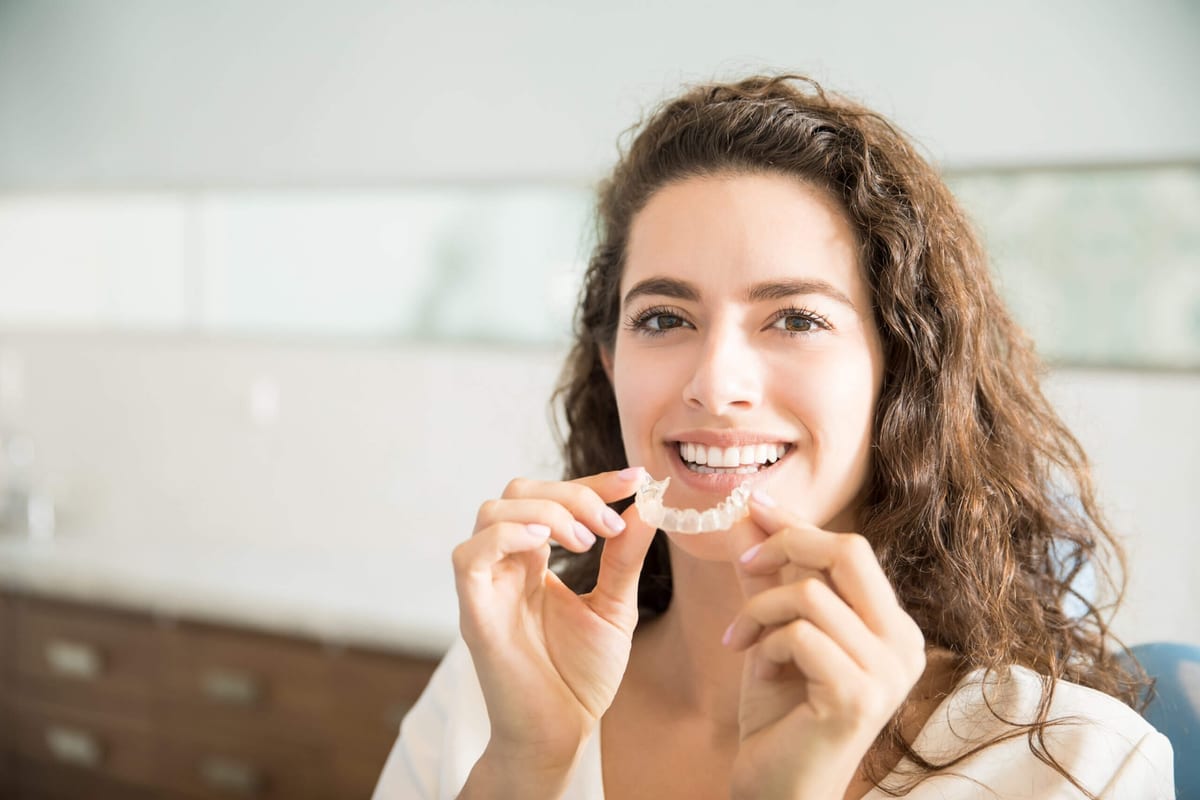
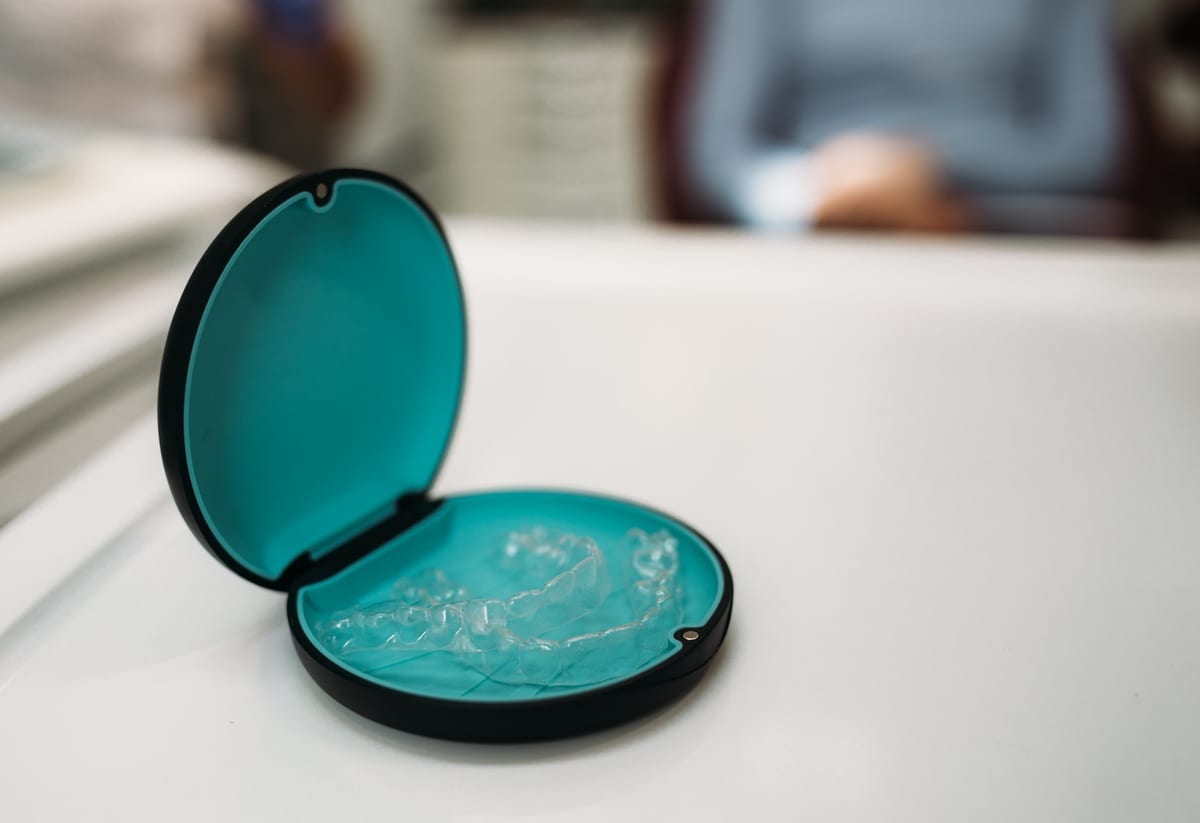
If you wear Invisalign, you’ve probably wondered why your trays swap out so frequently. Understanding why your Invisalign trays change every two weeks in Grapevine helps you stay motivated and committed to your treatment. The answer lies in how teeth actually move — and it’s more fascinating than most patients expect. Dr. Peter J Theodorou at Stellar Smiles Ortho is here to walk you through the science behind each tray change.
Orthodontic tooth movement isn’t instant. It happens gradually through controlled, consistent pressure over time. Each aligner tray is engineered to shift specific teeth by a tiny fraction of a millimeter. When you understand this process, the two-week schedule starts to make complete sense.
How Invisalign Actually Moves Your Teeth Step by Step
Invisalign works by applying gentle, continuous force to your teeth. This pressure stimulates a biological process called bone remodeling. On one side of the tooth, bone breaks down. On the other side, new bone forms to fill the space.
This remodeling cycle takes time. Rushing it could damage the roots and surrounding tissue. That’s why each tray is designed to move teeth only about 0.25 millimeters at a time.
Here is a simplified breakdown of what happens with each tray:
- You insert a new aligner tray designed for your next movement stage.
- The tray applies light, targeted pressure to specific teeth.
- Bone tissue around tooth roots begins to break down and rebuild.
- After roughly two weeks, that movement is complete and stable.
- You move to the next tray to begin the following stage.
Each stage builds on the last. Skip a tray or rush ahead, and the teeth won’t be in the right position. That can compromise your entire treatment plan.
Why Two Weeks Is the Sweet Spot for Invisalign Tray Changes in Grapevine
Two weeks isn’t an arbitrary number. It’s based on decades of orthodontic research and clinical data. Bone remodeling requires approximately 10 to 14 days to reach a stable checkpoint. Changing trays any sooner risks moving teeth before the surrounding bone has adapted. Waiting much longer slows down your overall progress unnecessarily.
Your body’s biology drives this timeline. Dr. Theodorou and the team at Stellar Smiles Ortho follow this schedule because it balances speed with safety. Patients in Grapevine who wear their trays 20 to 22 hours per day typically stay right on schedule.
Falling short of that wear time is one of the most common reasons treatments run longer than planned. Every hour your trays are out is an hour your teeth aren’t moving toward their goal.
The Role of Attachments in Your Invisalign Treatment
You may have noticed small tooth-colored bumps on some of your teeth. These are called attachments, and they play a major role in how Invisalign moves teeth. Attachments act like handles, giving the aligner tray something to grip onto. Without them, certain complex movements would be nearly impossible.
Attachments are made from composite resin — the same material used in tooth-colored fillings. They’re bonded directly to specific teeth identified in your digital treatment plan. Not every patient needs them, but many do.
Common reasons Dr. Theodorou might use attachments include:
- Rotating a tooth that tends to resist aligner pressure alone
- Moving a tooth vertically (up or down in the gumline)
- Correcting significant tilting or tipping of a tooth
- Addressing more complex bite issues requiring precise control
Attachments are temporary. They’re removed at the end of your treatment and leave no permanent marks on your teeth.
What Are Refinements and Why Might You Need Them
Even with careful planning, teeth don’t always move exactly as predicted. That’s where refinements come in. Refinements are additional sets of aligner trays created after your original series is complete. They fine-tune movements that didn’t fully finish or that require small corrections.
Needing refinements doesn’t mean your treatment failed. It’s a normal and expected part of the Invisalign process. The treatment plan is created using digital projections, but human biology can vary. Refinements simply close the gap between where your teeth are and where they need to be.
To learn more about the broader world of tooth movement and dental alignment, explore What Is Orthodontics and how it applies to treatments like Invisalign. If you’ve ever wondered whether you’re seeing the right kind of provider, you can also read about What Is An Orthodontic Specialist and why that distinction matters for your care.
During refinements, you’ll take new impressions or scans. A fresh set of trays is then designed specifically for your updated tooth positions. The two-week tray change schedule continues exactly as before.
Tips for Getting the Most Out of Every Tray Change
Your results depend heavily on how consistently you follow the treatment protocol. The tray change schedule only works when you hold up your end of the commitment. Here are practical tips to keep your treatment on track:
- Wear your aligners 20 to 22 hours every single day — no exceptions.
- Switch to new trays at night so any initial discomfort fades while you sleep.
- Keep trays clean by rinsing them every time you remove them.
- Never skip a tray, even if a previous one felt loose early.
- Attend every scheduled checkup with Dr. Theodorou at Stellar Smiles Ortho.
Small habits make a big difference over months of treatment. Patients who stay consistent see better results and shorter overall timelines. Think of each tray change as a milestone — because it truly is one.
Your Invisalign Journey at Stellar Smiles Ortho in Grapevine
At Stellar Smiles Ortho, Dr. Theodorou designs every Invisalign treatment plan with precision and care. Grapevine patients receive a fully customized series of trays mapped out using advanced 3D imaging technology. You’ll be able to see a digital preview of your expected results before treatment even begins.
Throughout your treatment, the team monitors your progress at regular intervals. If your teeth aren’t tracking properly, adjustments can be made quickly. This ongoing oversight is what separates a well-managed Invisalign case from one that drifts off course.
Whether you’re considering Invisalign for the first time or you’re mid-treatment with questions, Dr. Theodorou’s team is here to help. Every tray change brings you one step closer to the smile you’ve been working toward. Book Now to schedule your appointment with our team.
Frequently Asked Questions
Why do my Invisalign trays feel tight when I first put them in?
Tightness is completely normal and actually a good sign. It means the new tray is applying the gentle pressure needed to move your teeth to the next position. The sensation typically eases within a day or two as your teeth begin to adjust to the new alignment.
What happens if I change my trays before the two weeks are up?
Changing trays early means your teeth haven’t finished moving to their planned position for that stage. The next tray then applies force to teeth that aren’t properly aligned with it yet. This can reduce tracking accuracy and may require refinements or extended treatment time.
Can I wear each tray for longer than two weeks?
Wearing a tray longer than prescribed won’t damage your teeth, but it will slow your overall progress. It also doesn’t give you any added benefit since the movement for that stage is already complete. Stick to the schedule your doctor recommends for the most efficient outcome.
Do all Invisalign patients change trays every two weeks?
Most patients follow a two-week schedule, which is the standard Align Technology recommends. However, Dr. Theodorou may recommend a slightly different cadence based on your specific case complexity or how well your teeth are tracking. Always follow the schedule outlined in your personalized treatment plan.
How many total trays will I go through during Invisalign treatment?
The total number of trays varies depending on the complexity of your case. Mild corrections may require as few as 10 to 15 trays, while more involved cases can involve 40 or more. Dr. Theodorou will give you an estimated tray count during your initial consultation at Stellar Smiles Ortho in Grapevine.