
Identifying and treating dental problems early, between ages 6-9, is crucial! This is a GOLDEN WINDOW of opportunity that, if missed, will unavoidably lead to the need for longer, more complex and more painful treatment if you are too late. But, determining whether your child needs orthodontic treatment can sometimes be tricky, especially since the signs of dental and bite problems aren’t always immediately obvious. However, there are several indicators that may suggest it is time for a visit to the orthodontist. We at Stellar Smiles Ortho love making things easy! So, we put together the 14 most common problems that Dr. J has encountered in his over 25 years of practicing pediatric orthodontics, and you will see our actual patients.
And, the good news is there’s a new way to address these issues that eliminates the challenges of traditional methods, virtually wipes out pain, and cuts total treatment time in half. Keep reading to discover this groundbreaking solution!
Why This Occurs: Genetics, sucking the thumb or using a pacifier for long periods can affect the alignment of your child’s mouth
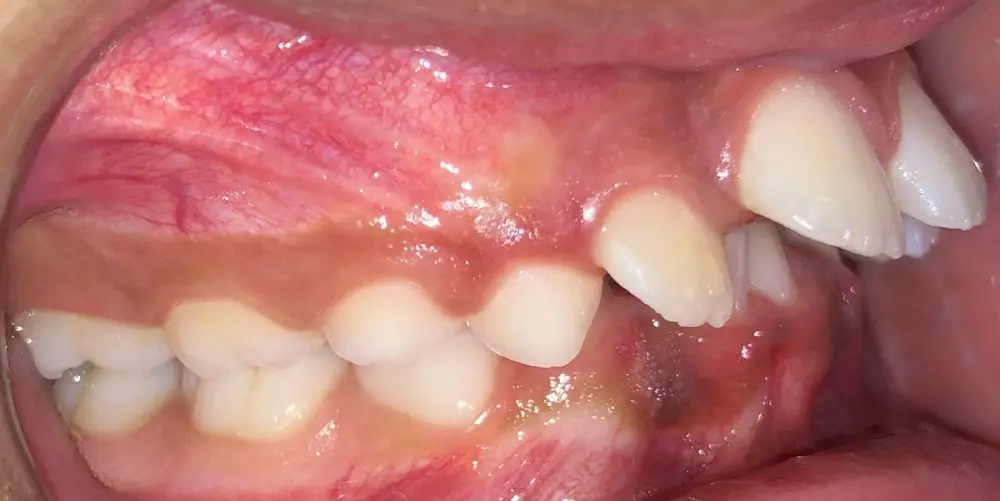
- Your child will struggle to close their mouth, causing mouth breathing, dry gums, and cavities
- Difficulty eating due to misaligned teeth, often leading to indigestion
- Teeth are prone to breaking from falls or hits to the mouth
IF NO Treatment: Extractions + Surgery
Why This Occurs: Genetics, thumb sucking where the thumb is molding the jaw bone causing permanent damage if not addressed
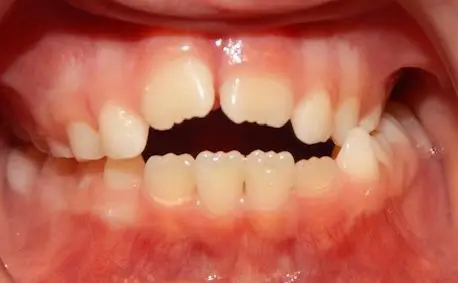
- Thumb forces the tongue back and down blocking the airway affecting breathing
- The gap between the Upper and Lower teeth does not allow a proper seal causing speech problems
- Inability to eat certain foods
Why This Occurs: The tongue pushing on the front of the mouth causing the teeth to give way, out and up
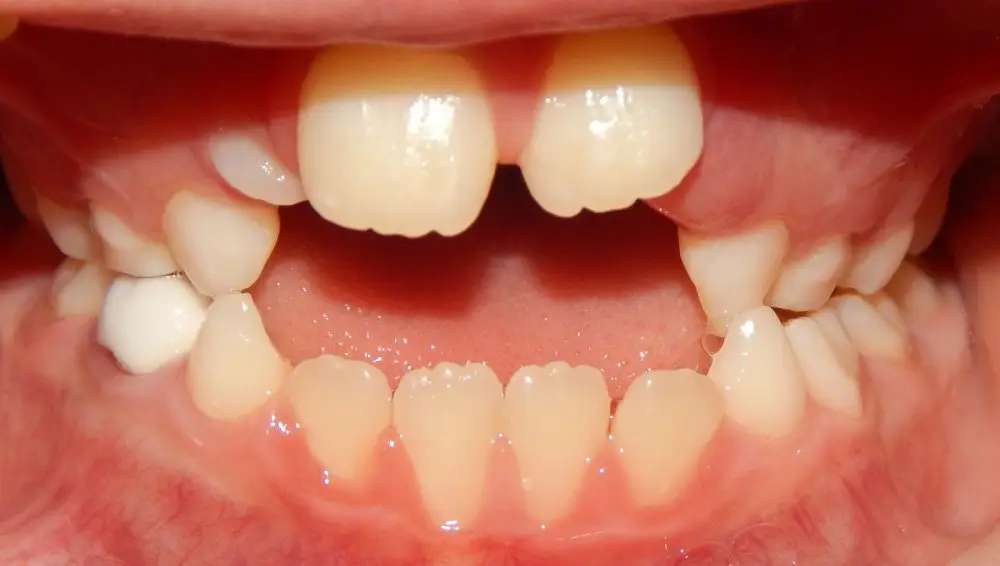
- The tongue will mold the upper and lower jaws and push the teeth out of the way creating permanent damage
- The tongue is constantly pushing the teeth leading to eventual increased mobility and possible tooth loss
- The front gap between the upper and lower teeth creates a space that has to be filled to swallow and speak, causing lisps
Why This Occurs: Primarily caused by genetics, but thumb-sucking, pacifier use after age 4, and tongue thrust can contribute
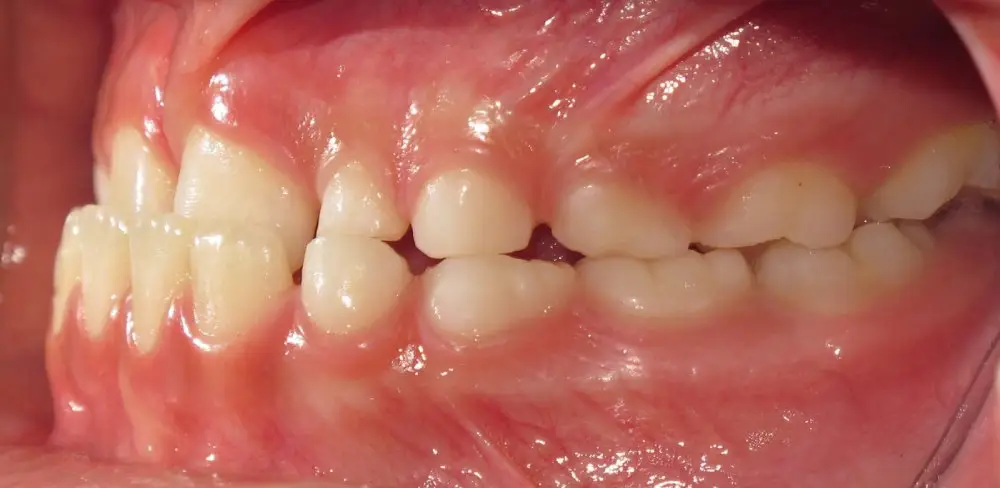
- Increased uneven wear and tear of teeth
- Difficulty in eating, many times leading to indigestion
- Low self-esteem may lead to depression, anxiety, and poor learning
Why This Occurs: Primarily caused by genetics, expressed by uneven growth of the upper and lower jaws

- Increased uneven wear and tear of teeth
- Low self-esteem that may lead to depression, anxiety, and poor learning
- TMJ causing teeth grinding, jaw injuries, eventual arthritis
Why This Occurs: When the lower jaw (or mandible) is small. Genetics are a large factor
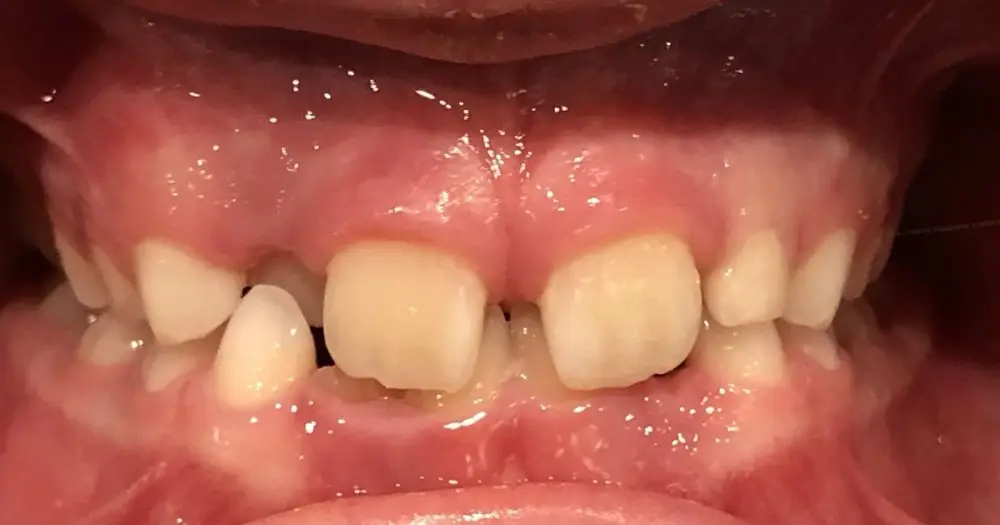
- Difficulty eating and chewing, often leading to indigestion
- The tongue cannot work with the teeth properly leading to speech problems
- Upper and lower teeth are “locked” in position leading to possible jaw problems and headaches
Why This Occurs: Genetics can cause the frenum or lips to pull on the gums around the teeth causing recession, exposing the root of the teeth
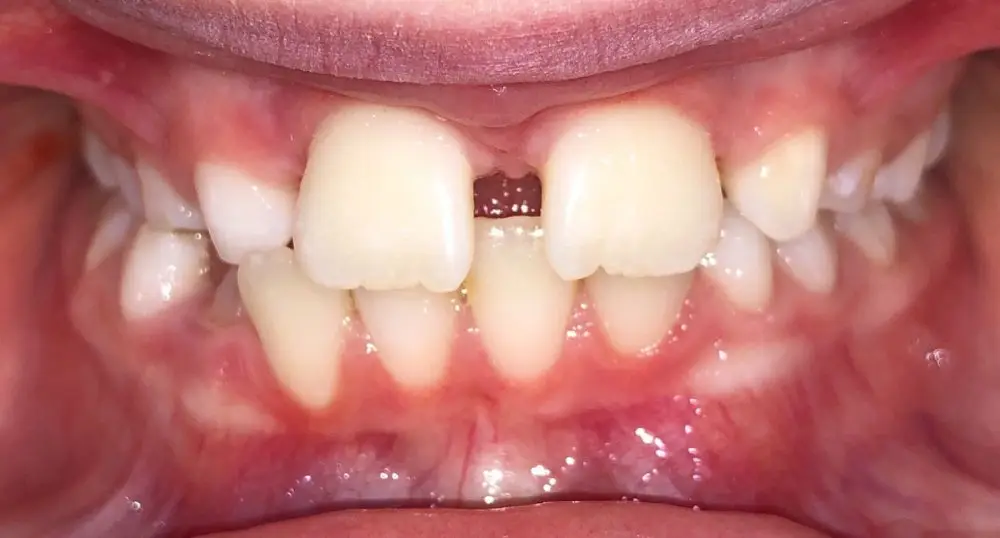
- The gap between teeth causes speech problems and impediments
- The frenum if stretched can tear
- Interferes with the proper growth and development of the teeth in the area
Why This Occurs: Uneven growth of the upper and lower jaws
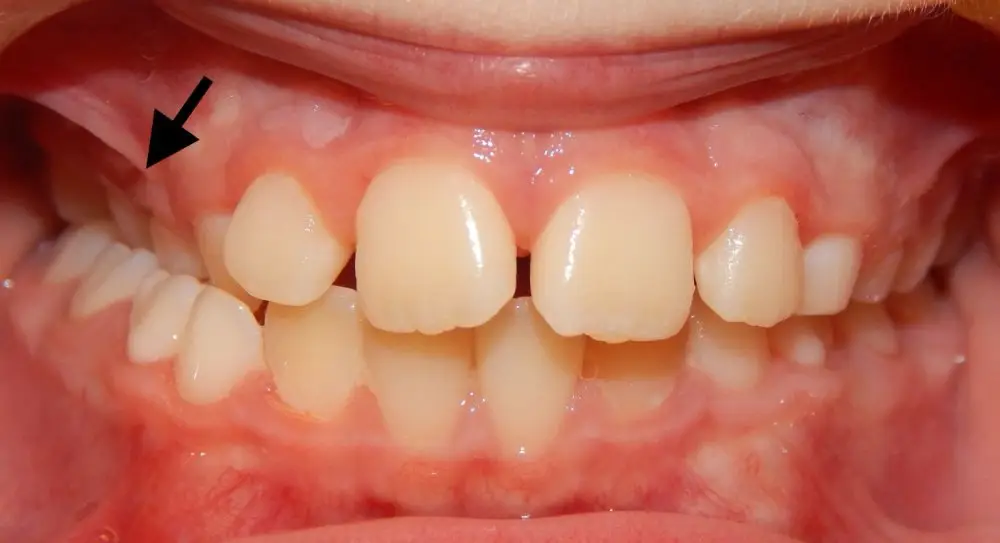
- Can lead to facial deformity with TMJ issues
- Increased uneven wear and tear of teeth
- The upper and lower teeth are “locked” causing potential jaw problems and headaches
- Interferes with the proper growth and development
Why This Occurs: Uneven growth of the upper and lower jaws, genetics, chewing on nails or pencils
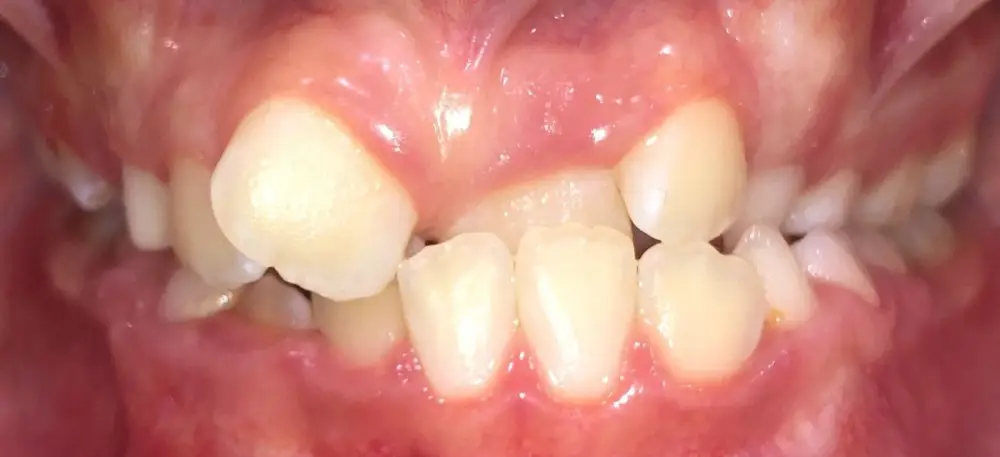
- Trauma to teeth when biting down can lead to cracks and breaks
- Premature and uneven tooth wear can lead to facial deformity with TMJ issues
- Much harder to keep clean leading to cavities and periodontal disease
Why This Occurs: This can happen when a child's permanent teeth start to erupt and there isn't enough room for them to develop
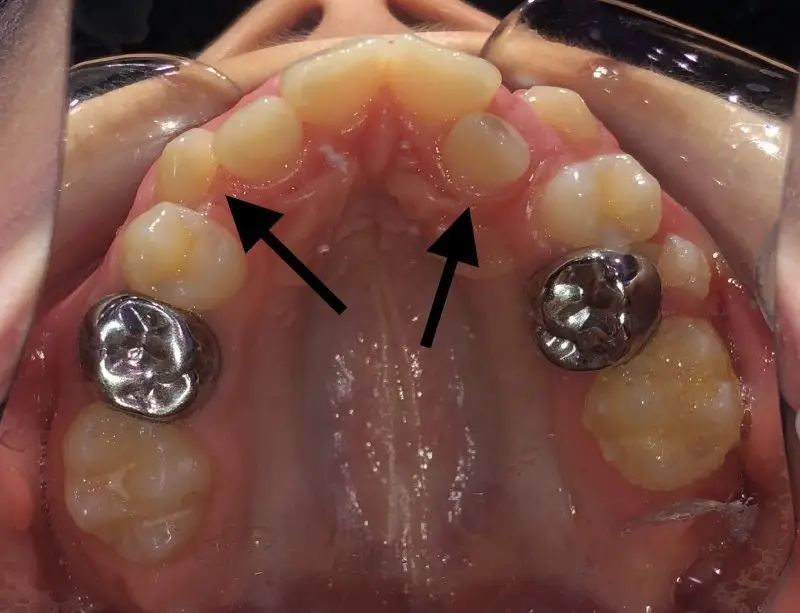
- Much harder to keep clean leading to cavities and periodontal disease
- Adult teeth can keep growing in the bone and cause severe damage to the roots of other teeth
- Difficulty eating, many times leading to indigestion
- Low self-esteem
Why This Occurs: Genetics play a role in the small jaws and narrowness, Bad habits like thumb sucking and tongue position are factors
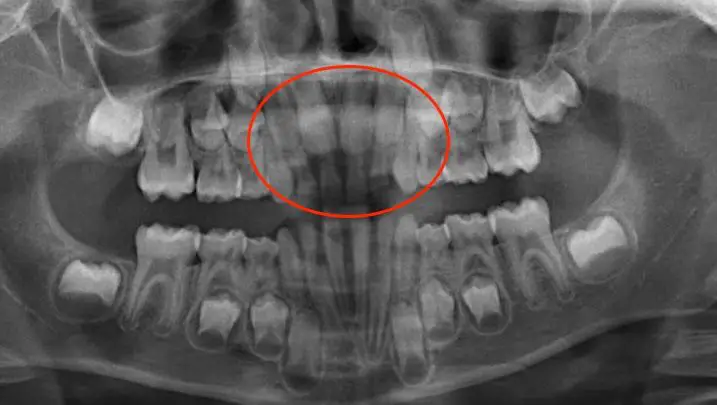
- Forces the adult teeth to push and cause damage to other permanent teeth
- Affects facial development
- Difficulty chewing due to lack of teeth, leading to indigestion
Why This Occurs: Teeth being pushed outside normal boundaries
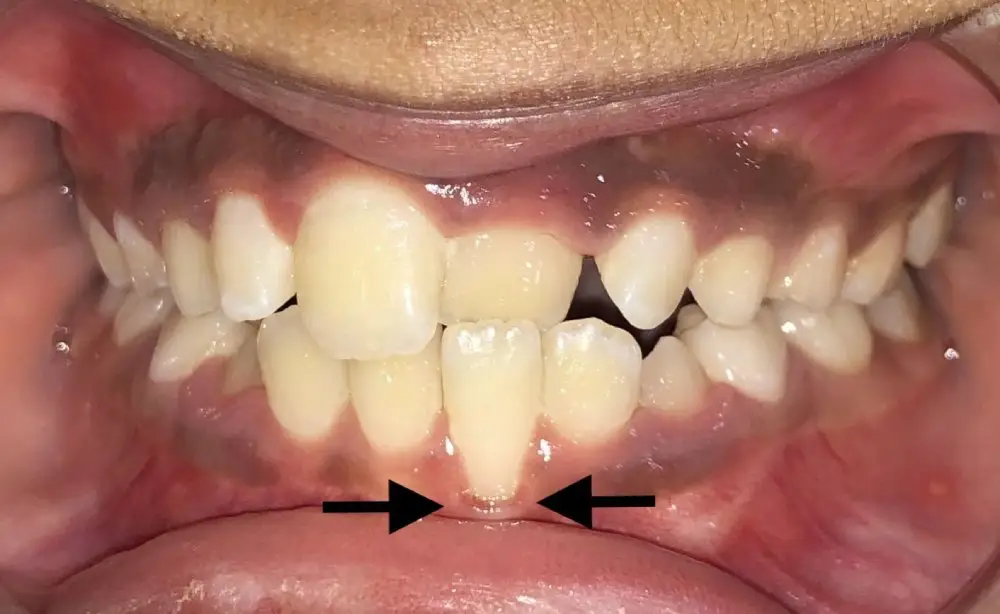
- Teeth can be pushed in the wrong place causing them to be forced outside the bone
- Recession is the result of a tooth losing bone and gum
Why This Occurs: Mostly caused by genetics or habits such as thumb sucking, extended pacifier use and mouth breathing
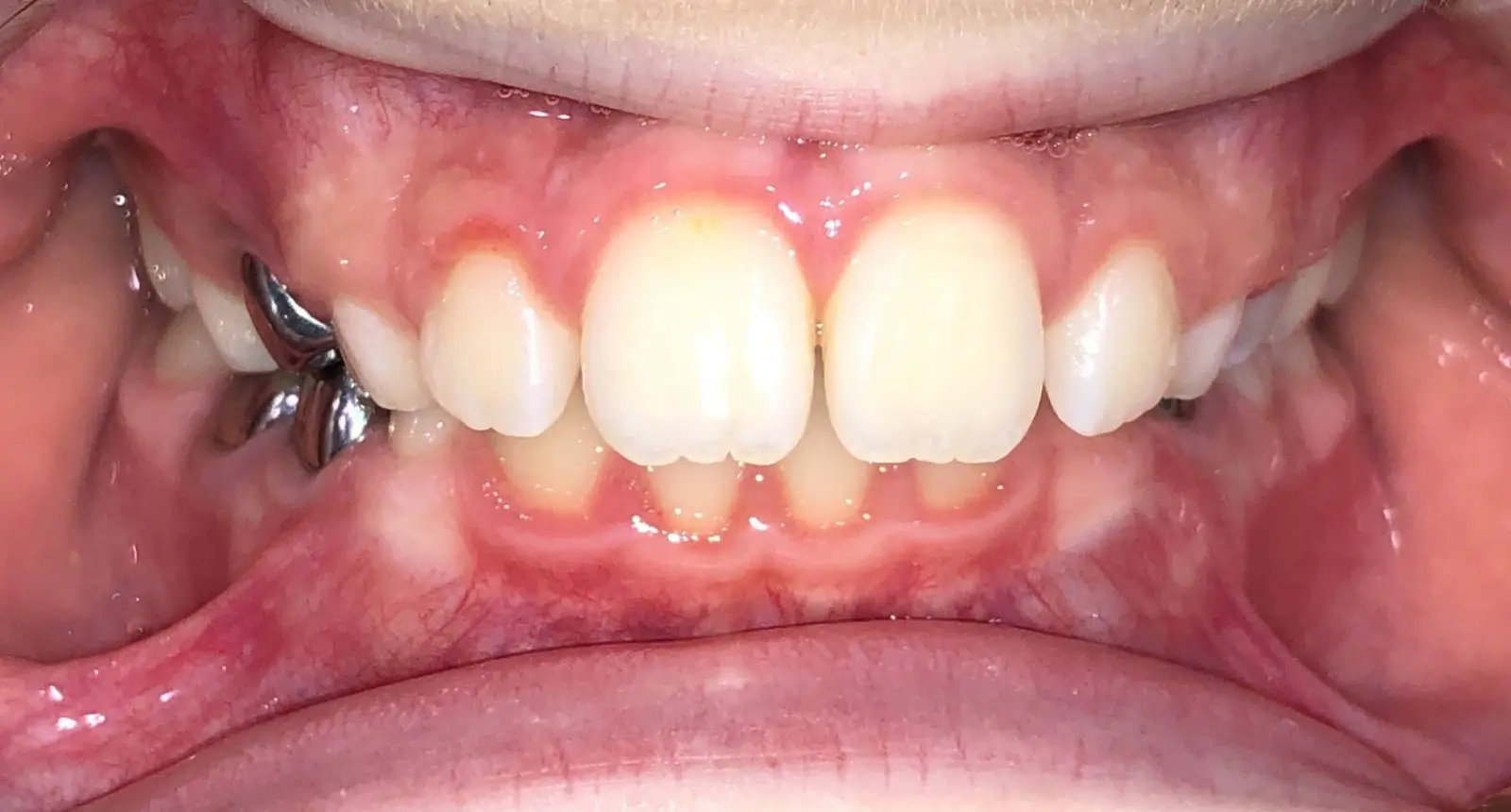
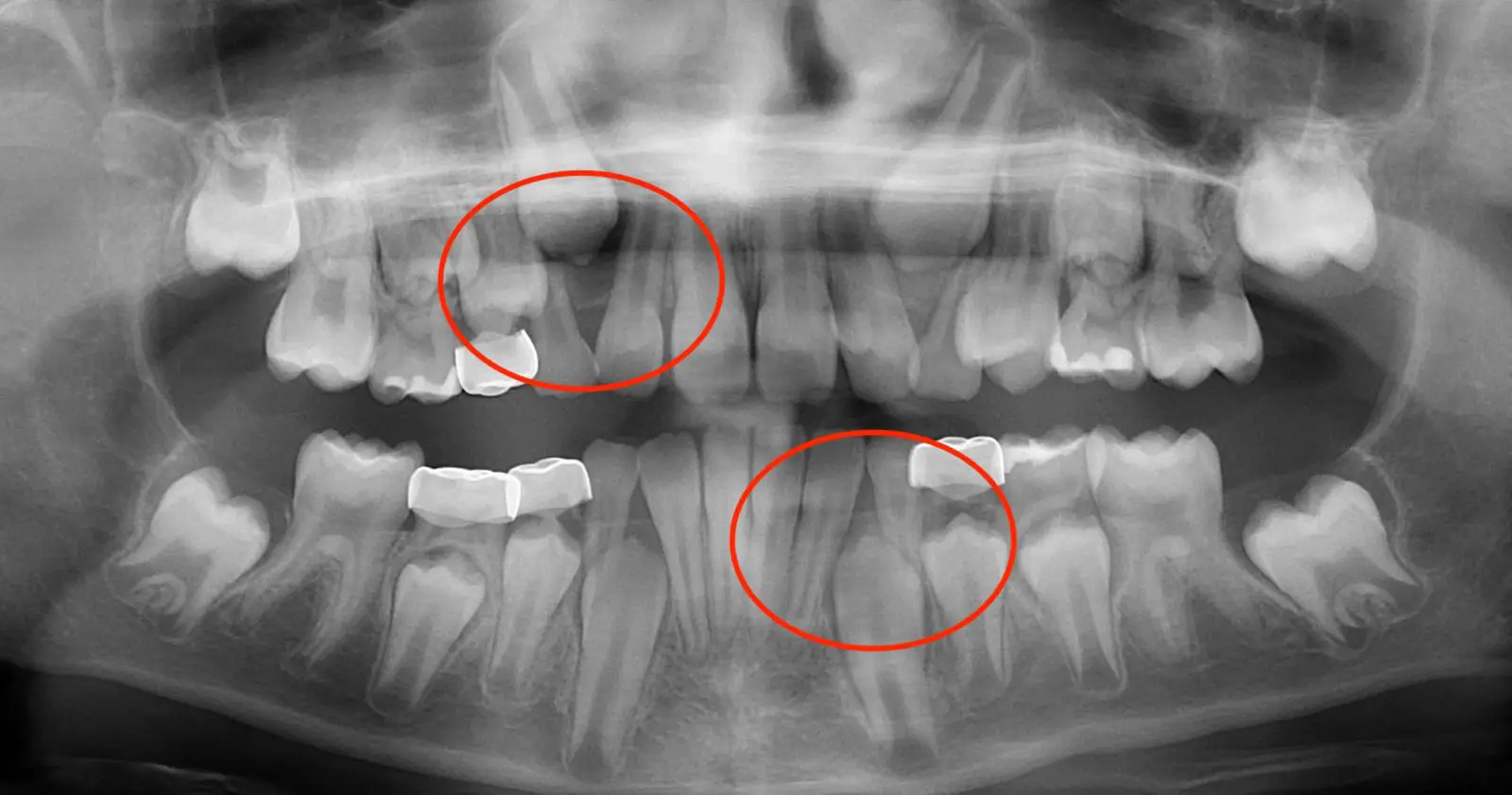
- Severe crowding with permanent teeth that are pushing on other permanent teeth causing damage
- No eruption or eruption of teeth in the wrong place affects facial development
Why This Occurs: As a self-soothing mechanism making them feel secure and comforted
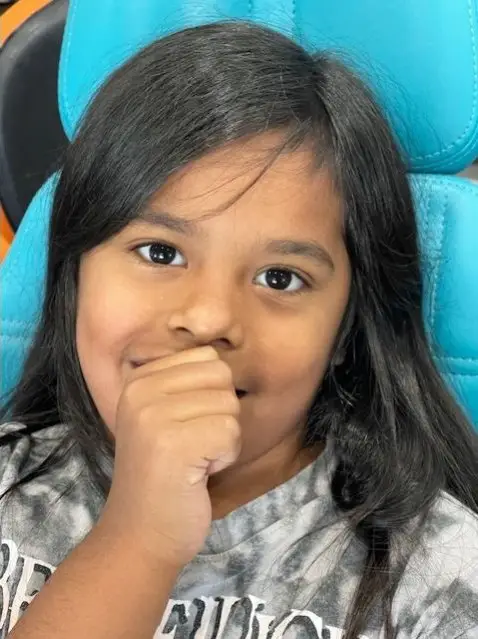
- Thumb forces the tongue back and down blocking the airway affecting breathing
- The gap between the Upper and Lower teeth does not allow a proper seal causing speech problems
- Inability to eat certain foods using the front cutting teeth (like Pizza)
- The open front gap promotes tongue thrust habit
- Do we intercept extractions later on? YES
- Do we intercept jaw surgery later on? YES
- Do we intercept impacted (stuck to the bone teeth) later on? YES
- Do we intercept bad bites caused by habits later on? YES
- Traditional Treatment Combination: involves a combination of braces and appliances such as expanders, headgear, facemask, bite plate, tongue tamers just to name a few.
- Traditional Treatment Appliance only: Appliances such as expanders, headgear, facemask, bite plate, tongue tamers just to name a few.
- Invisalign® For Kids: A game changing type of treatment that is more efficient, faster, almost pain-free with less office visits. Check out our actual patients with actual amazing results.
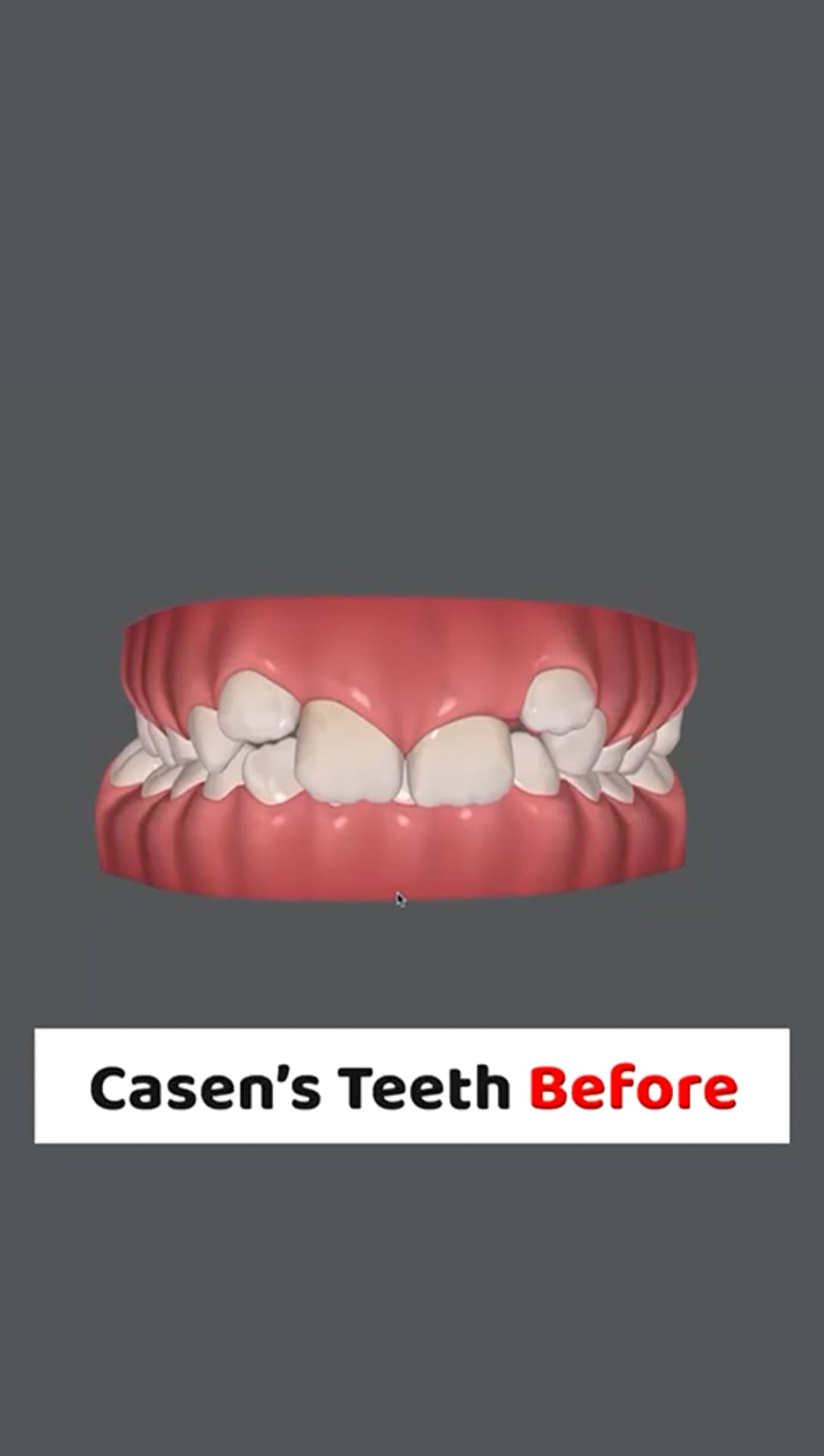
As in all orthodontic treatment you want to preserve what you have accomplished. The way to do that is to hold the bite and teeth in the new corrected position with a RETAINER. This retainer will hold everything together for about 4-8 months. Please remember Interceptive Orthodontic Treatment takes place when your child has a mix of baby and adult teeth. So, the adult teeth, after treatment, will start growing in and they will eventually push the retainer so it will not fit anymore. But that is totally ok as explained above.
Also, after Interceptive Orthodontic Treatment is complete we will continue to see you child approximately every 6 months for an OBSERVATION/RECALL visit. At these visits we will observe the bite and how it’s holding up, any baby teeth that fell out, any adult teeth that grew in and the overall growth of the mouth. We may take a Panoramic x-ray to make sure the teeth are growing in the right direction and place.
The cost of Interceptive Orthodontic Treatment, whether you choose Traditional or Invisalign® For Kids is similar. We want you to not have any barriers to get your child a healthy, functional smile. We will work with you to create a plan that fits your budget and will explain everything to you prior to any treatment.
Many dental insurance plans provide some or full coverage but it’s important to check with your insurance provider to understand the specifics of your plan. We will help you navigate your insurance, costs and payment options.
Don’t Wait!
Come see us at age 6 and get a free evaluation. You could save time, money and pain – waiting till your child loses all their baby teeth around age 12 is too late many times.
Let’s make sure your child’s smile is on the right track—and do it with as little stress as possible.