By Stellar Smiles Ortho
September, 2026
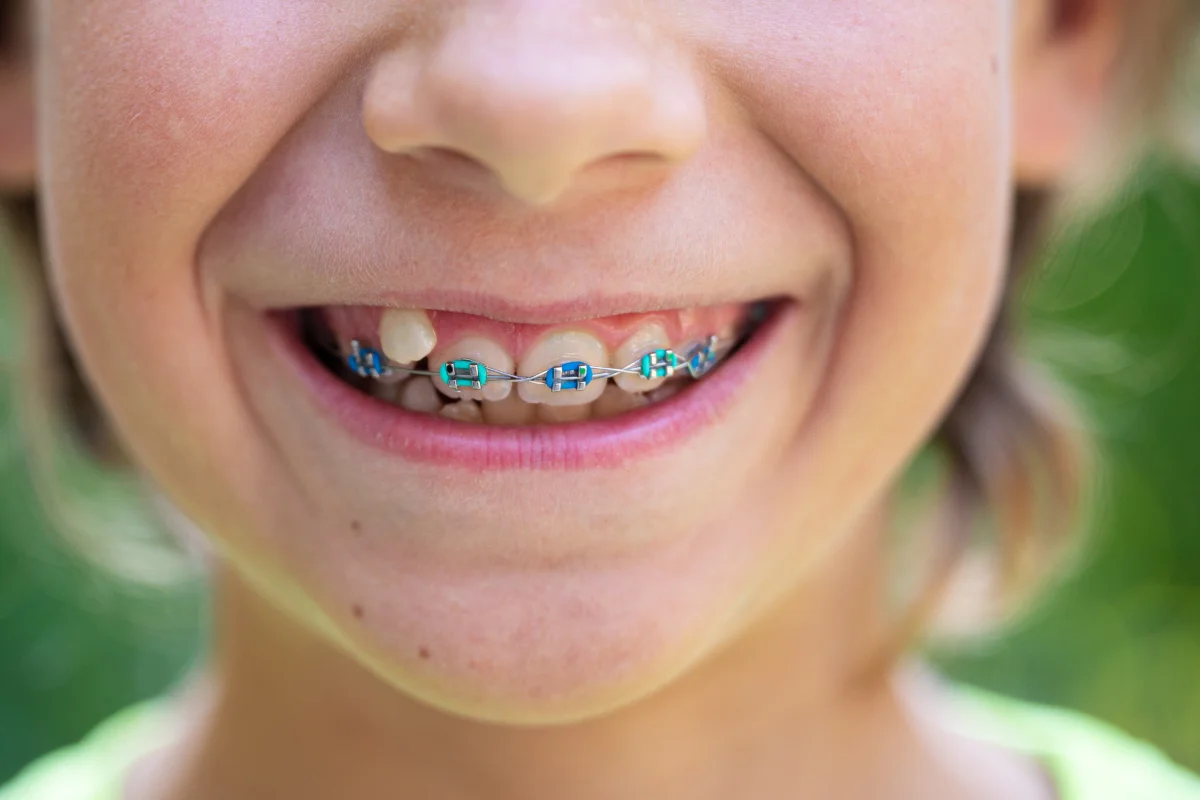
Orthodontic treatment with braces commonly takes about 12 to 24 months, but there is no single treatment time that applies to everyone. Some relatively straightforward cases can be completed sooner, while more complex orthodontic problems may require longer treatment.
At Stellar Smiles Ortho, Dr. J estimates treatment time after evaluating your teeth, bite, jaw relationships, and the specific movements needed to achieve the treatment goals.
The complexity of the problem—not simply the appliance—helps determine how long treatment takes.
Why Do Some People Need Braces Longer Than Others?
Moving teeth is only one part of orthodontic treatment.
Dr. J may also be correcting how the upper and lower teeth fit together, managing space, coordinating the dental arches, guiding erupting teeth, or addressing other orthodontic concerns.
Treatment time can be influenced by:
- The complexity of the bite
- The amount of tooth movement required
- Crowding or spacing
- Tooth eruption
- Jaw and dental arch relationships
- The patient’s age and growth
- How the individual responds to orthodontic treatment
- Patient cooperation
- Keeping scheduled orthodontic appointments
Two patients can start treatment on the same day and finish at very different times because they are treating different orthodontic problems.
Can Braces Work in 12 Months?
Yes, some orthodontic cases can be completed in approximately 12 months or even less.
But that doesn’t mean every case should be.
A patient who needs relatively limited tooth movement may have a much shorter treatment plan than someone who requires correction of a more complicated bite.
The goal should not simply be to finish treatment as quickly as possible.
The goal is to finish treatment properly.
Why Do Some Braces Treatments Take Around Two Years?
More complex orthodontic correction requires more movement and often more time.
Teeth need to move biologically through the supporting bone and tissues. Orthodontic forces are carefully controlled rather than simply made stronger to make treatment happen faster.
Certain bite corrections, significant crowding, impacted teeth, eruption issues, or complex tooth movements can therefore require a longer treatment period.
Can I Help Keep My Treatment on Schedule?
Absolutely. Patient cooperation can make a meaningful difference.
One of the best ways to avoid unnecessary treatment delays is to follow Dr. J’s instructions throughout treatment.
That includes:
- Keeping scheduled appointments
- Maintaining excellent oral hygiene
- Following instructions for elastics or other prescribed appliances
- Avoiding foods or habits that damage orthodontic appliances
- Contacting our office when something breaks rather than waiting until the next appointment
A broken appliance or repeatedly missed appointments can interfere with the planned progression of treatment.
Is Invisalign Faster Than Braces?
Not automatically.
Invisalign and braces are different ways of accomplishing orthodontic tooth movement.
For some patients, Invisalign may be extremely efficient. For others, braces—or another orthodontic approach—may be more appropriate.
With Invisalign, patient cooperation is particularly important because the aligners need to be worn approximately 22 hours per day as prescribed.
The most important question isn’t:
“Which appliance is fastest?”
It is:
“Which treatment is appropriate for what needs to be corrected?”
Does Starting Orthodontic Treatment Earlier Make It Faster?
Not necessarily.
This is particularly important for parents.
An orthodontic evaluation around age 6 does not mean Dr. J wants to start treatment immediately or keep a child in orthodontic treatment for years.
The purpose of evaluating children early is to understand how their teeth, bite, jaws, and face are developing.
Some children should simply be monitored.
For others, Interceptive Treatment during growth may address a developing problem at an advantageous time.
Earlier evaluation does not mean earlier treatment. It means earlier awareness.
How Accurate Is an Estimated Treatment Time?
Before treatment begins, Dr. J can provide an estimated treatment time based on the diagnosis and treatment plan.
But it is still an estimate.
Teeth and supporting tissues do not respond identically in every person, and treatment may need to adapt as it progresses.
Patient cooperation can also influence whether treatment stays close to the original schedule.
At Stellar Smiles Ortho, we’ll keep you informed about your progress throughout treatment.
The Bottom Line
Most braces treatments are measured in months, not weeks, and many comprehensive cases fall somewhere around 12 to 24 months.
But your treatment may be shorter or longer depending on what actually needs to be corrected.
Rather than choosing an arbitrary timeline, Dr. J develops a treatment plan around your individual orthodontic needs.
With 27 years of orthodontic experience, his goal is not simply to finish quickly.
The goal is to achieve the right result as efficiently as your individual treatment allows.
How Long Would Your Orthodontic Treatment Take?
The best way to find out is through an orthodontic evaluation.
Schedule a consultation with Dr. J at Stellar Smiles Ortho to learn what treatment options are appropriate and how long your individual treatment is expected to take.
Stellar Smiles Ortho
Serving families in Grapevine, Euless, Colleyville, Southlake, Bedford, Hurst, and surrounding North Texas communities.